
When should a cylinder head gasket be replaced?
White exhaust smoke, overheating and water in the oil are the first signs of gasket failure. What to look for.
Published:
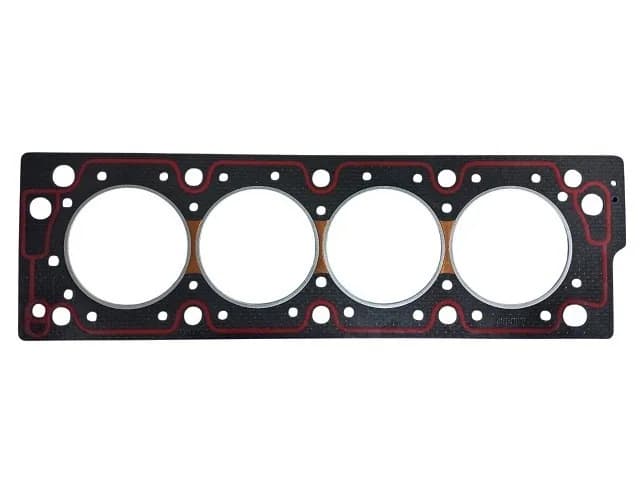
The cylinder head gasket is the most critical sealing element separating combustion pressure, coolant and engine oil between the engine block and the cylinder head. Failure is usually gradual rather than sudden.
Symptoms that call for replacement
- Continuous white, sweet-smelling smoke from the exhaust
- Coolant loss and engine overheating
- Brown foam (oil and water mixture) on the dipstick
- Bubbles and pressure build-up in the radiator tank
- Rough idle and loss of power
Why does it fail?
Overheating is the most common cause. In an engine that overheats frequently, the cylinder head expands and the gasket surface deforms permanently. Incorrect tightening torque, an uneven head surface and low-quality material are the other main reasons.
What to watch during replacement
- Check whether the head surface needs resurfacing
- Tighten the bolts to the manufacturer's torque and sequence
- Select the correct gasket thickness — different options exist per engine
- Renewing valve cover and manifold gaskets at the same time is recommended
The Yaman Conta catalogue includes cylinder head gaskets in various thicknesses for Fiat, Renault, Opel, Peugeot, Lada and Perkins engines.